Specialty Gardens

Annual Garden
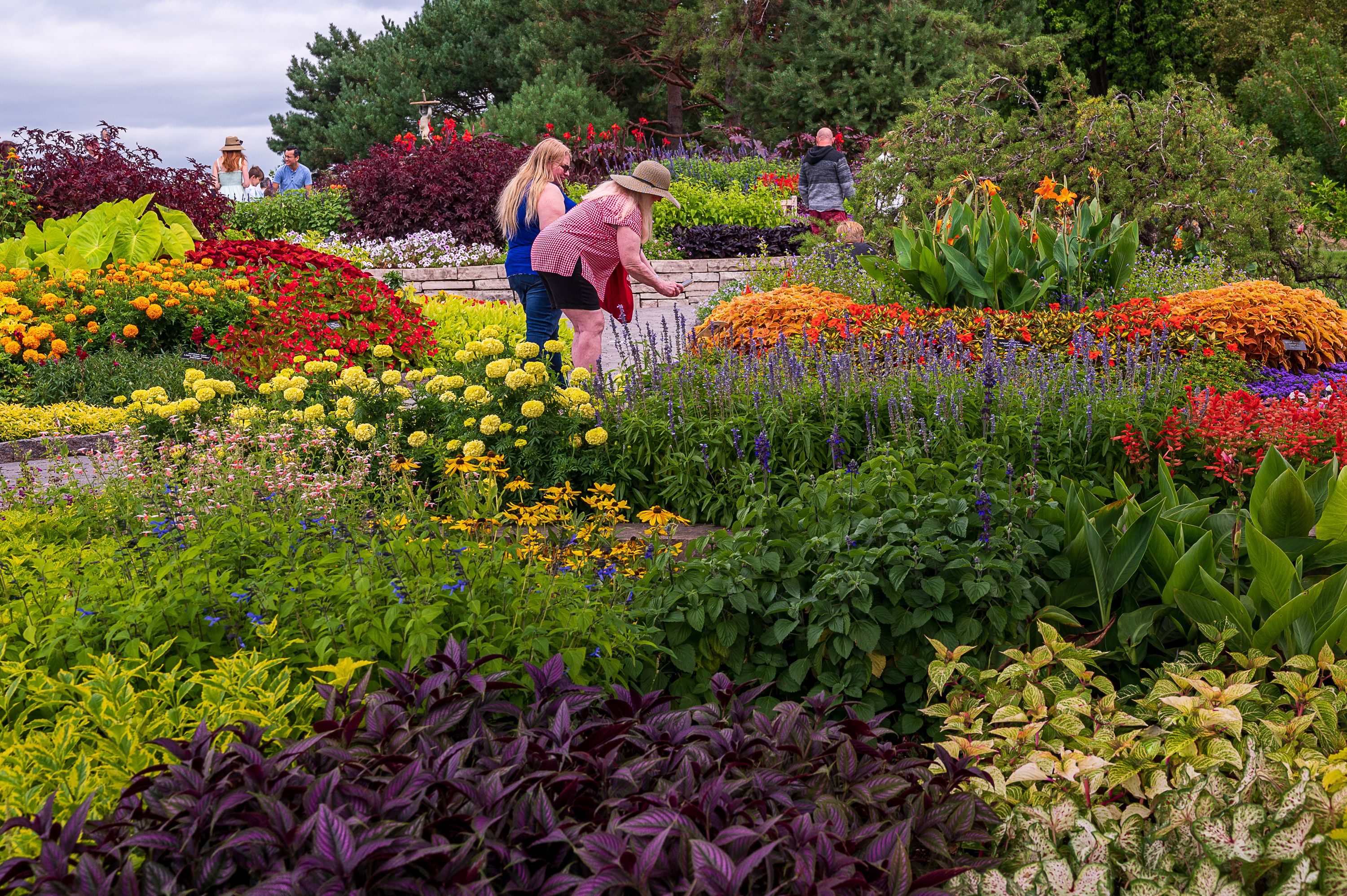
The Griggs/Burke Annual Garden has a formal garden layout and is planted in a different color scheme each year. Centered on a beautiful English fountain, "Merboys," the garden steps down the hill along Three-Mile Drive between the Slade Perennial Garden and the Ankeny Lang Rose Garden. In the spring the gardeners plant 25,000-30,000 annuals in the garden.
Chinese Garden
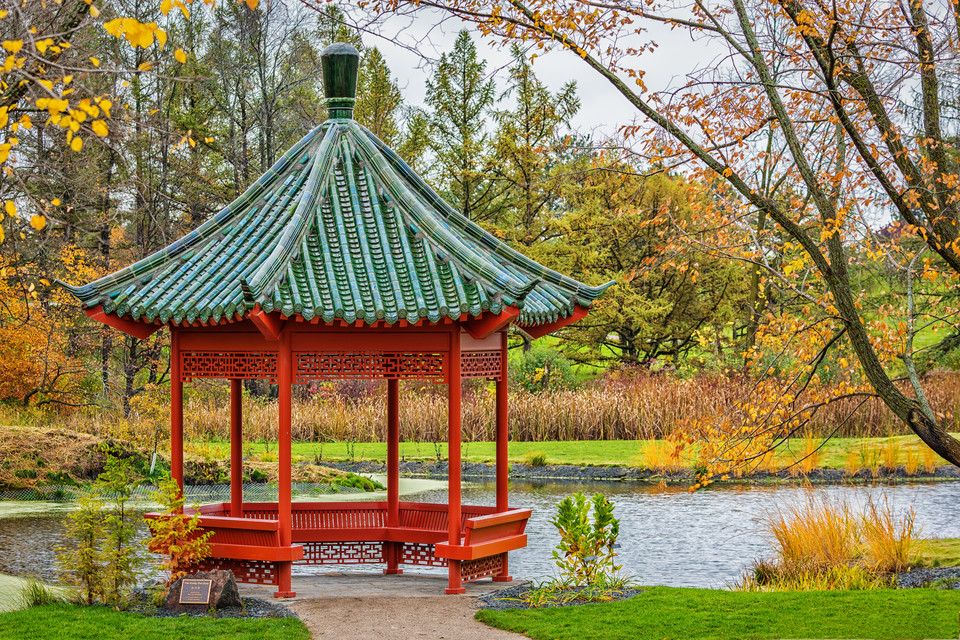
The garden of harmonious beauty integrates artistry with nature. The perfect escape from a hectic world to a place of peaceful contemplation and renewal. Take a moment and immerse yourself in the beauty of the garden's natural setting and stroll the garden path to view the pace of cultural tradition.
Dahlia Trial Garden
Learn more about the Dahlia Trial Garden
Daylily Collection
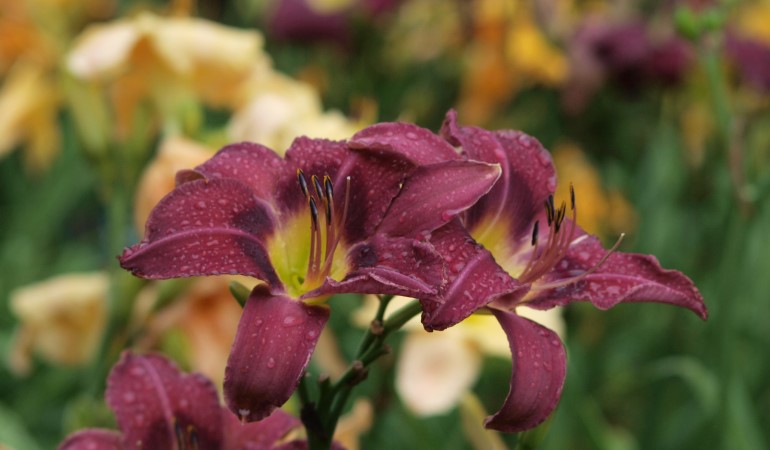
The Daylily Collection, located in our core gardens, is home to three species and more than 300 cultivars. While they aren’t true lilies, the name daylily refers to the brief bloom (about one day) of flowers produced by the plant, which typically grows in clumps. Daylilies are native to Asia, but they’ve been introduced all over the world due to their hardiness and beauty. With more than 35,000 cultivated varieties of daylilies on the market, daylilies come in a wide variety of colors and sizes.
The collection features a delightful variety of cultivars with amusing names like ‘A Bloom with a View,’ ‘Chicks with Swords,’ ‘Dangerous Expectations,’ and more. In addition to the Daylily Collection, you’ll find daylilies in the Spiegel Entry Garden, MacMillan Terrace Garden, Home Demonstration Garden and other gardens throughout the grounds. Make sure to stop by in late June through July to see this collection at peak bloom.
If you’d like to incorporate daylilies into your own garden, the University of Minnesota Extension has good information about growing daylilies in Minnesota.
Fern Walk
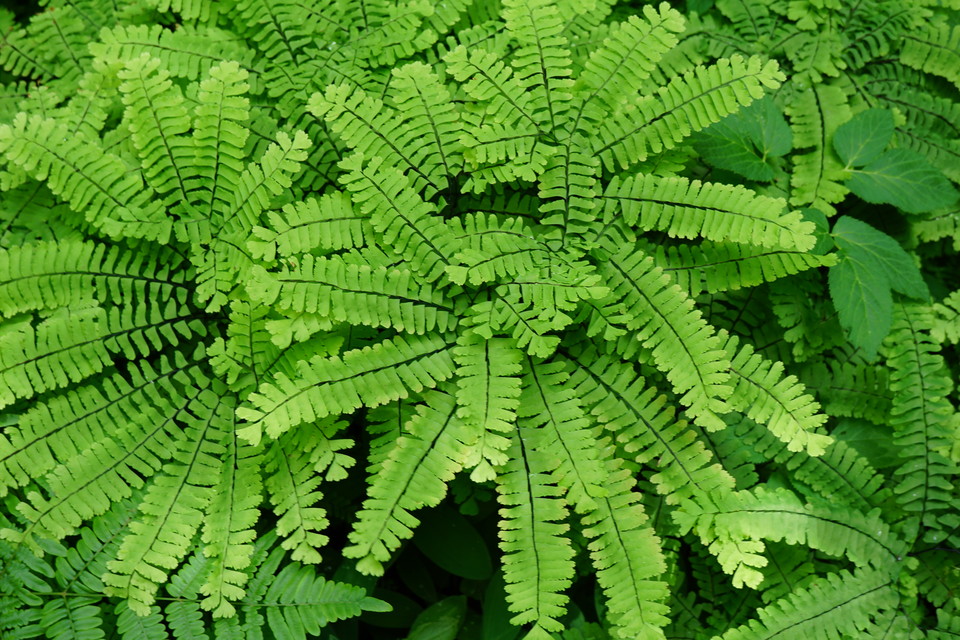
The Charles & Dorothy Howard Fern Walk goes from the Woodland Azalea Garden to the pond in the woods. It holds a collection of hardy ferns and woodland wildflowers with a raised bed of wild ginger holding an untitled sculpture by Catherine Nash. This lovely woodland walk has 20 varieties of ferns and 9 varieties of wildflowers.
Hosta Glade
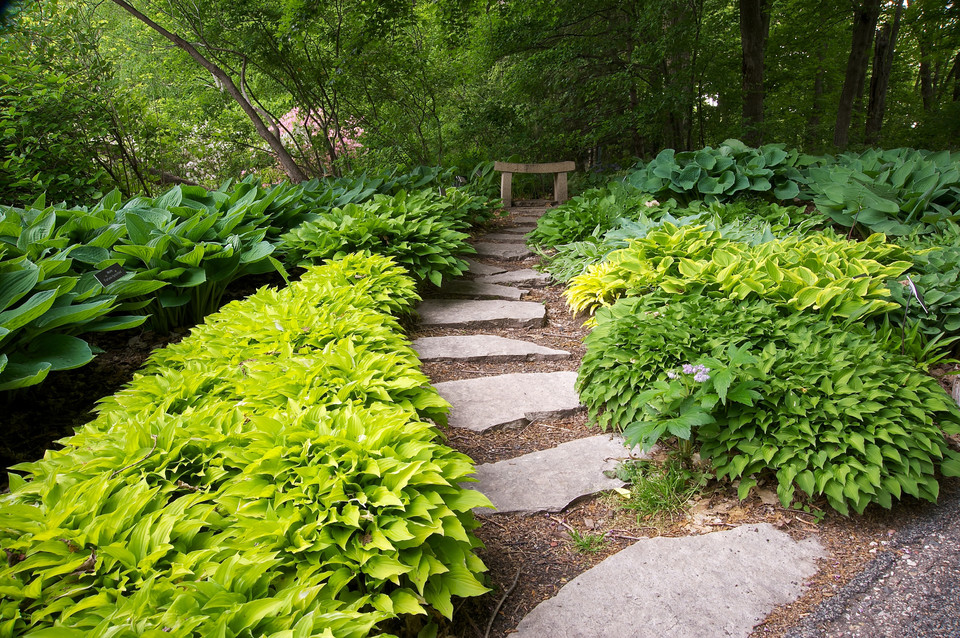
The MacMillan Hosta Glade is one of the finest public displays of hosta in the upper Midwest. There are over 300 varieties of hosta displayed. It includes sections that have hosta with blue colored leaves, fragrant flowers and miniatures and species, along with beds of classic hosta and a “landscape bed” of hosta mixed with other perennials. In 1980 the American Hosta Society designated the Hosta Glade as its first national display garden. It is also one of the coolest places at the Arboretum on a hot summer day!
Iris Garden
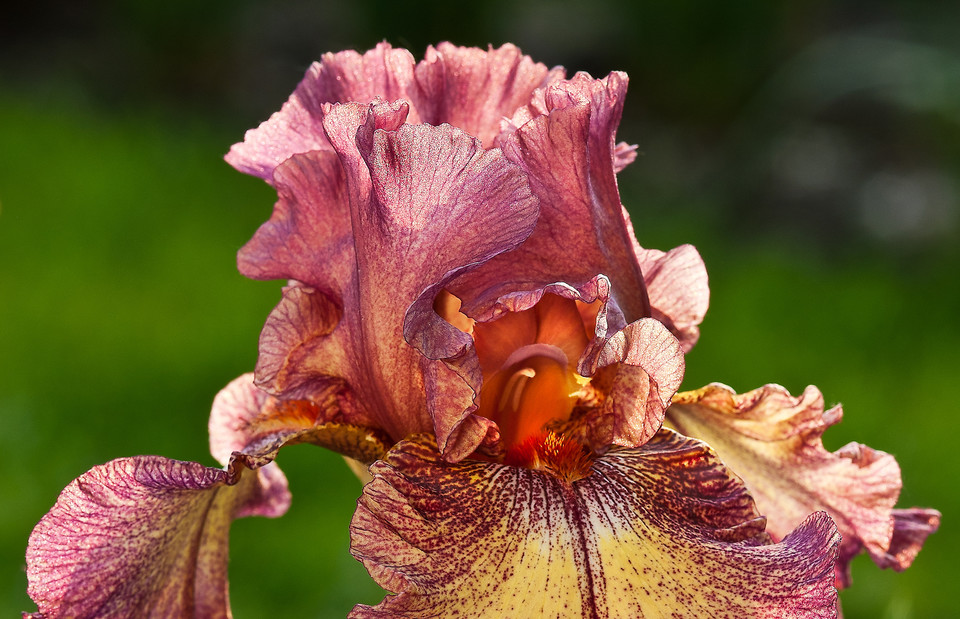
The Iris Garden holds a large number of iris cultivars 514 from 6 species. The iris bloom primarily in May and June with the most common being the tall bearded iris (Iris germanica) and Siberian iris (Iris siberica). The bearded iris comes in all colors except a true red or orange and they range from dwarfs only a few inches high to those with stalks up to 3 feet. The non-bearded iris (Siberian and Japanese) have color ranges from white and light yellows to blues, purples and some reddish tones. The Siberian iris gives a nice show in the garden throughout the season as the foliage stands up throughout the summer. The Japanese iris (Iris japonica) have large flat flowers in a range of colors but mostly white, blue and purple. They can be quite spectacular in bloom. We have 516 specimens in the collection.
Japanese Garden

The Japanese Garden “Seisui Tei” or Garden of Pure Water reflects a style of Japanese Garden from the Edo Period (1603-1869). Designed by landscape architect Koichi Kawana in 1985, it is maintained under the direction of master designer, Dr. David Slawson. The garden contains some traditional design elements from the Edo Period such as granite snow lanterns, a garden house, water basin and entry gates. Seisui Tei contains 20 different kinds of trees, 24 types of shrubs and 3 different ground covers.
It is an elaborately designed, intricate place that provides a calming atmosphere, inviting visitors to relax and reflect. Its focal point, a nine-foot waterfall, draws in and evokes the viewer's imagination. The Japanese Garden is about borrowed scenery and evoking nature's beauty. Nestled into a corner of the Arboretum's property, surrounded by mature trees, it is placed into a vista which expands the view and eliminates boundaries. It is accessible to the public and yet secluded so that visitors are able to find solace here, feeling embraced and protected within this garden. There is an alluring element woven into our Japanese Garden, the idea of "reveal and conceal". You can never see everything within the garden at once, different views are explored and created as you move through the garden. Each visit will show you something new that you may have missed before.
Lily and Dahlia Collection
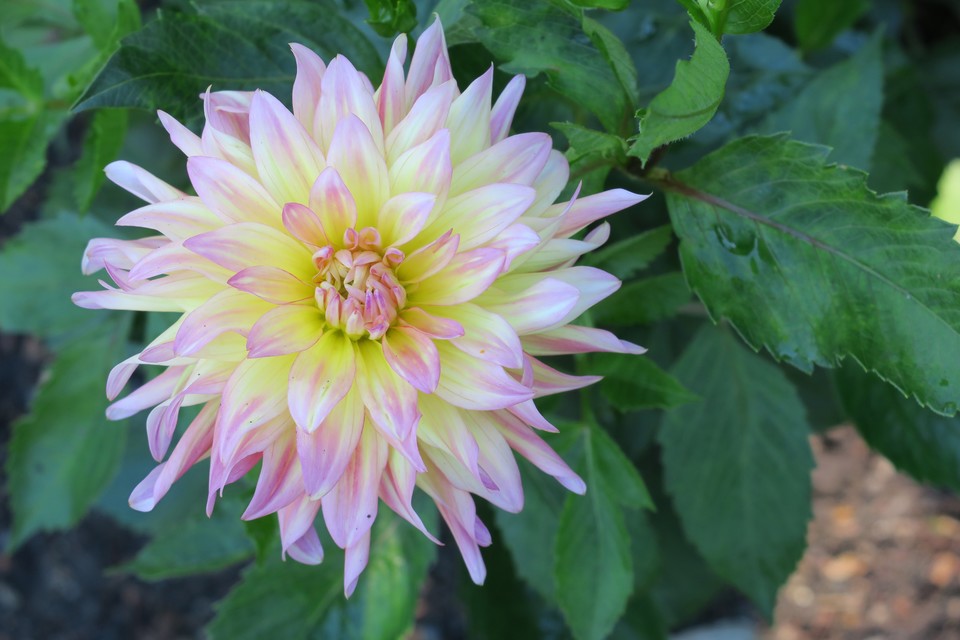
The lilies (Lillium sp.) and the dahlias (Dahlia sp.) are located on the Lindquist Walk above the main waterfall headwaters. The real lilies are distinct from daylilies (Hemerocallis sp.). They generally bloom in June but the season can be extended forward and back depending on the species of some of the hundreds of cultivars. The plant size can range from 4-5 feet tall to under 1 foot and colors range from white to pink, yellow, orange, red and shades in between. There are a total of 102 varieties of lilies in the garden.
The Dahlia Collection, just up the hill from the lilies, contains hybrids of a large genus, none of which are hardy in Minnesota. The wild species are generally rangy, large plants with only a few species having significant flowers. The hybrids, which we change yearly, must be dug in the fall and the tubers stored in a cool, dry location over the winter. The Arboretum generally buys new tubers each year to halt any spread of disease and to insure good bloom in August and September. We generally have a total of around 50 varieties of dahlias in the garden.
Maze Garden
Learn more about the Maze Garden
Mum Collection
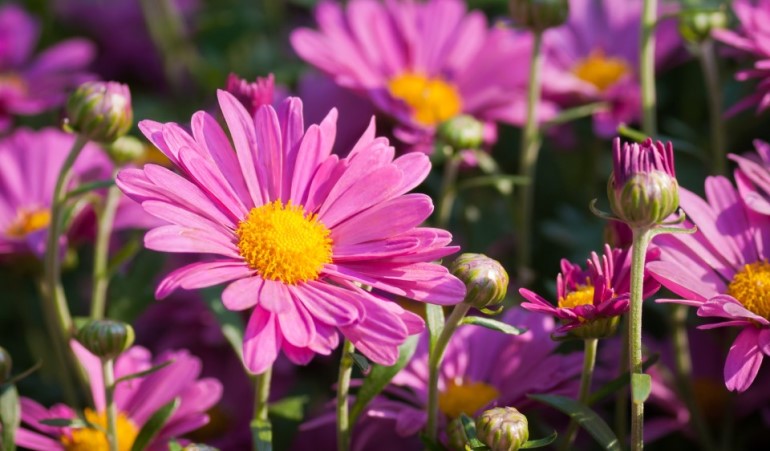
Garden mums (Chrysanthemum) bloom in the late summer and early fall, and they often make an appearance in fall planters and seasonal displays. First cultivated in China, mums were introduced to the Western world during the 17th century. While they can be treated like an annual, the University of Minnesota has developed mums that are hardy enough to survive in Minnesota gardens.
Our Chrysanthemum Collection, located near our Lily Collection, includes 12 unique cultivars. Out of these 12 cultivars, 9 of them were introduced through the University’s mum breeding program, which began in the 1920s. It is one of the oldest public sector breeding programs in the world and the only one in North America.
The program has produced cold hardy mums with four different growth habits: cushion, upright, shrub cushion and wave. The National Chrysanthemum Society recognizes 13 unique bloom forms that are broken down into classifications. Some of the classifications you can find in our collection include pompon, spoon, and decorative. Field testing and research done by the University has found that garden mums are more likely to survive our harsh winters if the above-ground dead plant stems are not removed during the fall.
Ornamental Grass Collection
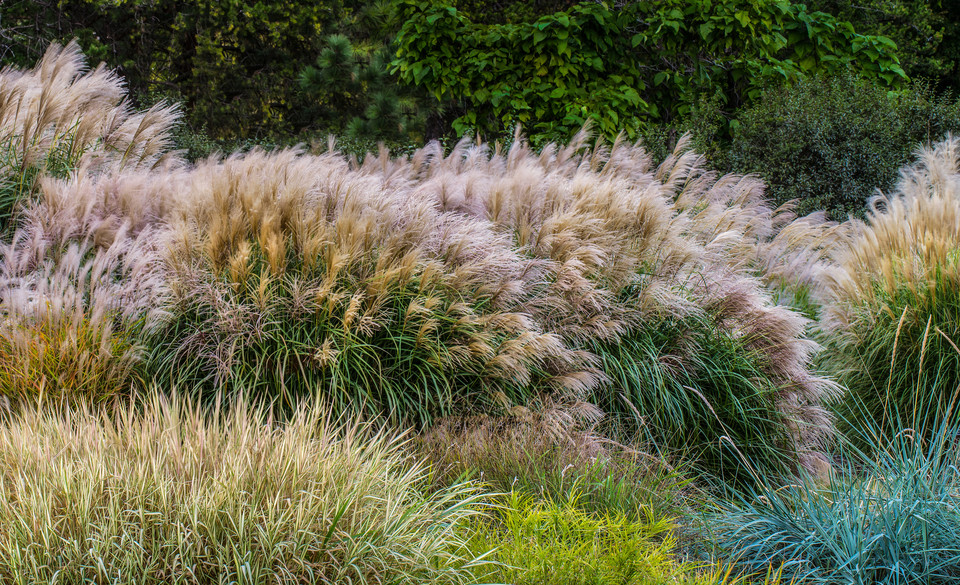
One of the largest collections in the United States, the Arboretum's ornamental grass collection contains over 200 ornamental and native species and cultivars. First planted in 1987, the collection is enlarged each year, with new selections added and others removed. Maintained in 8 large beds in full sun and two beds under a lath for shade, the collection is one of the oldest in USDA Hardiness zone 4. Each cultivar or species has 4 plants, with similar cultivars planted adjacent to each other for comparison. Professor Mary Meyer, in the Department of Horticultural Science at the University of Minnesota, along with graduate students and interns at the Arboretum, evaluates these plants for winter survival, flowering time, growth habit, self-seeding, and winter interest. Also included are several materials that can be grown as alternative low maintenance turfgrasses including the native sedge, Carex pensylvanica.
Peony Walk
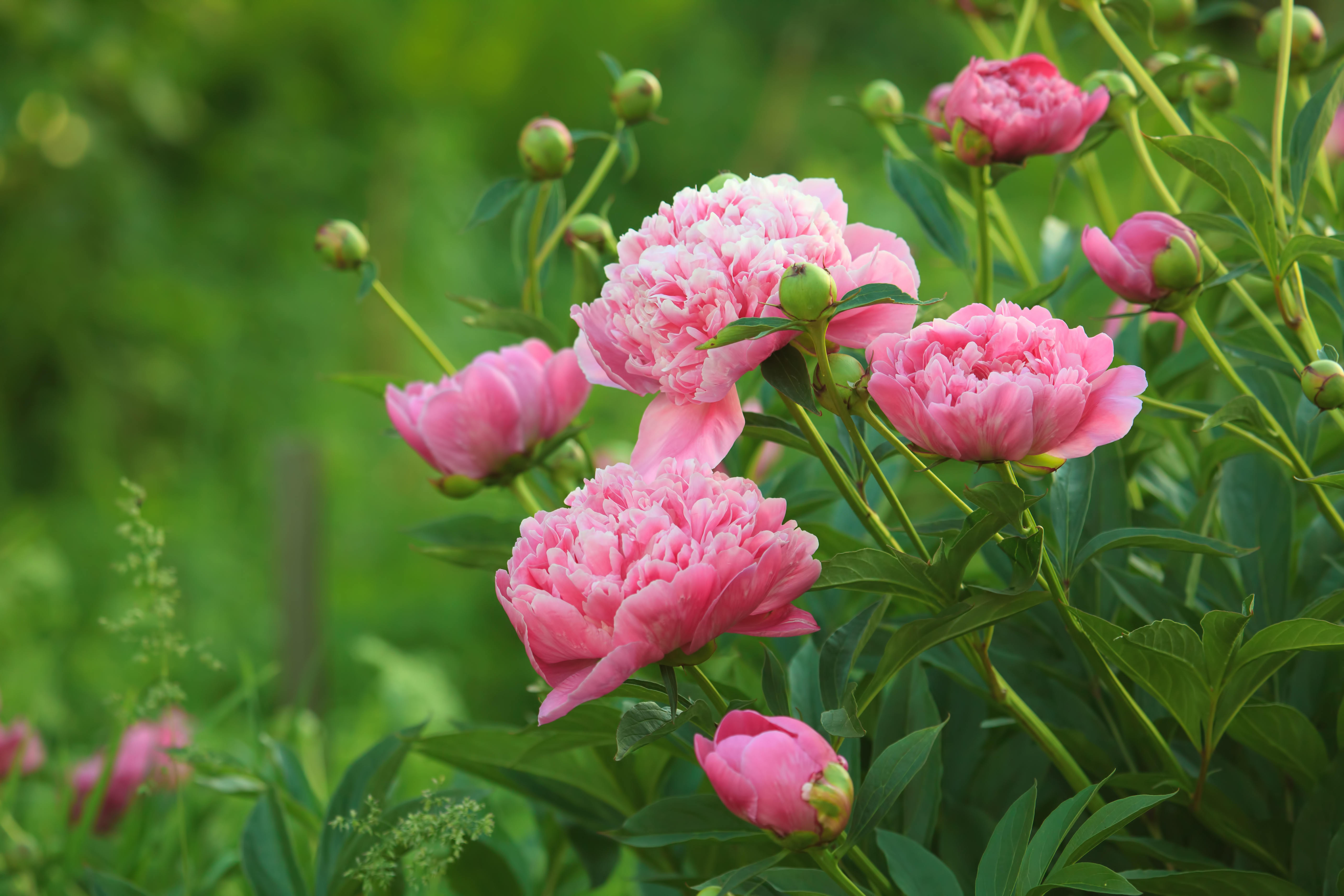
Peony (Paeonia sp.) are one of the best perennial garden staples for the Midwest garden. They are practically indestructible and grow well in our heavy, alkaline soil. They do get a couple of diseases, botrytis is the most damaging and can kill the plant. The Arboretum has three species of peony, 191 cultivars and a total of 240 specimens. This collection has been on the grounds of the Arboretum for decades, but in 1983 it was moved as part of the development of a series of gardens adjacent to the Snyder Building, and at that time was named the Lang Peony Walk.
Perennial Garden

The Elizabeth Carr Slade Perennial Garden is a delightful garden in a formal parterre. The central pool and fountain is surrounded by plantings of blue and gray foliage and flower to enhance the blueness of the water. This is then surrounded by four quadrants of grass with walks dividing the grass from the oval-shaped perennial border. It gives the user many ideas about plant combinations as well as how well the plants grow in Minnesota. There are 137 genera, 324 species and cultivars in this garden.
Rose Gardens
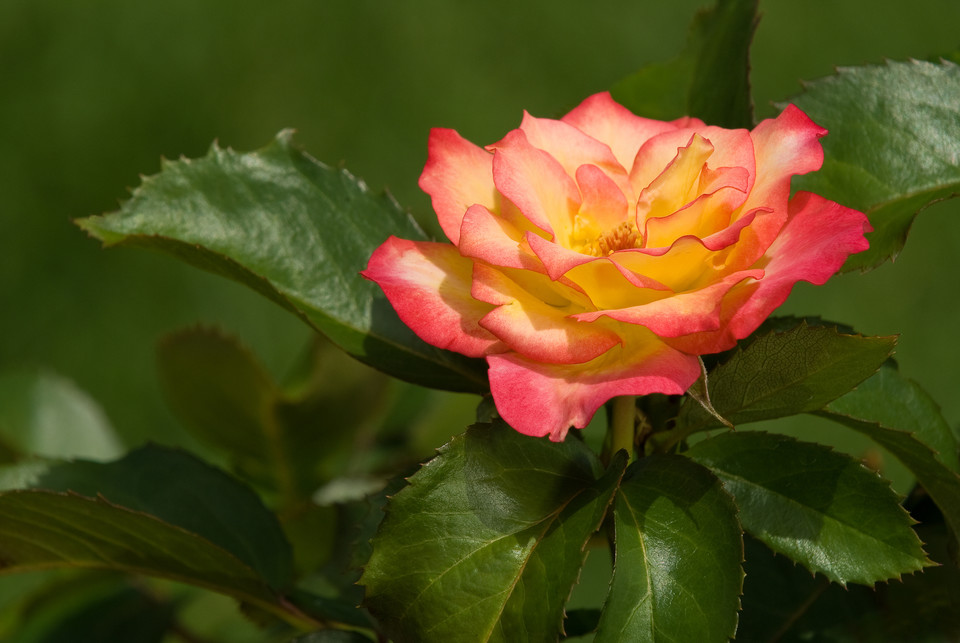
Palma J. Wilson Rose Garden and Nelson Shrub Rose Garden display 400 varieties of hybrid garden roses and hardy shrub roses, and are enhanced by fountains, trellises and a gazebo.
Sensory Garden
Learn more about the Sensory Garden
Spiegel Entrance Garden
Learn more about the Spiegel Entrance Garden
Wildflower Garden
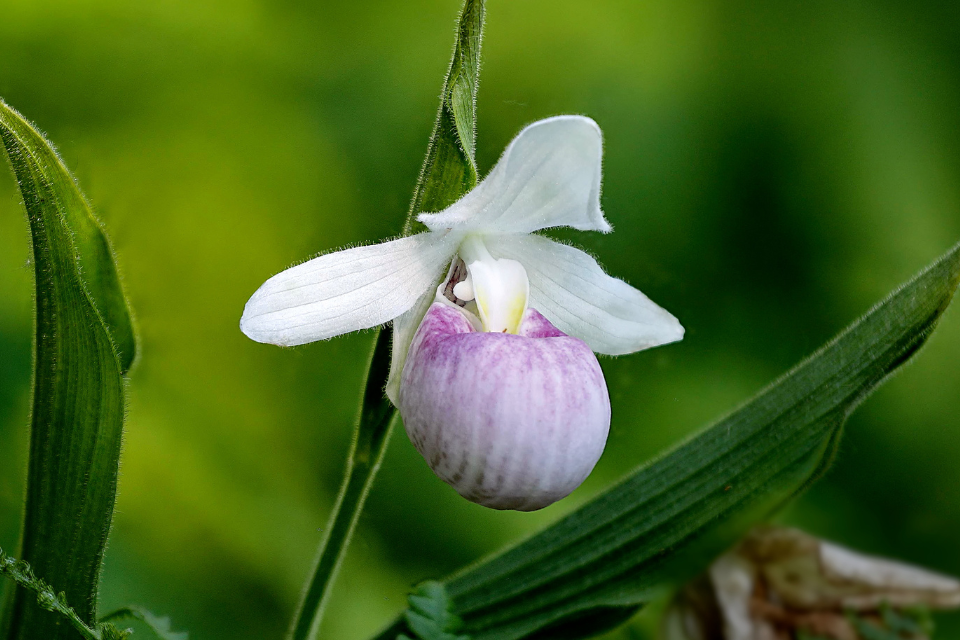
Opened in 1960, the Grace B. Dayton Wildflower Garden is a showcase for the increasingly endangered native plants of the Upper Midwest. Among the many native blooms are the Virginia Bluebell, the Trillium, the Cardinal Flower and the Minnesota state flower; the Showy Lady's Slipper. A population of the Dwarf Trout Lily, a plant listed on the federal endangered species list, is also preserved here.
Woodland-Azalea Garden
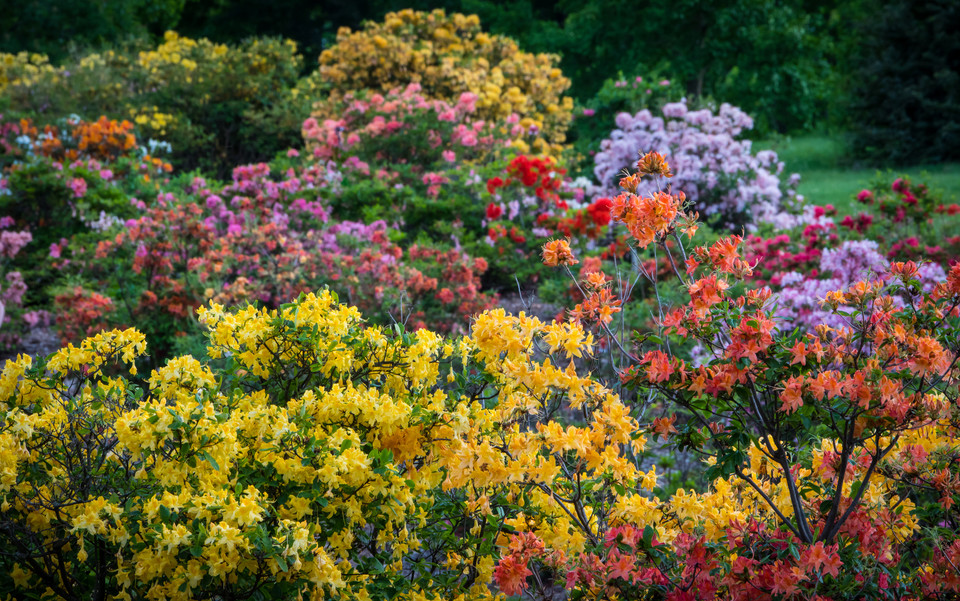
At the west end of the de Vos Home Demonstration gardens is the Woodland Azalea Garden and created waterfall and pond. This lovely site holds examples of many of the University Horticultural Research Center’s Northern Lights series of Azaleas. Along with the azaleas are examples of our native winterberry (Ilex verticillata) and perennials, including butterbur (Petasites) which has about the largest leaves of any garden perennial. It is a delightful refuge for those inclined to sit and rest a bit.