Nature-Based Therapeutics
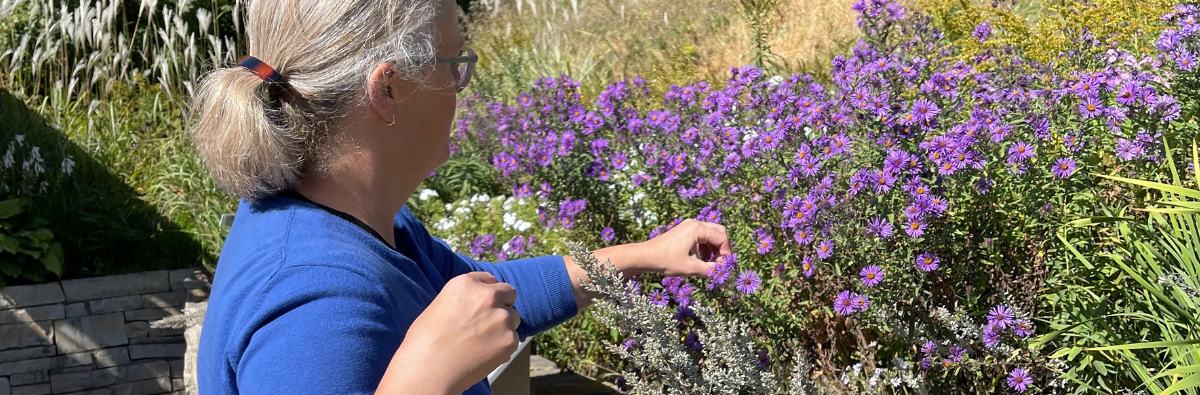
Nature's way of healing
Nature-Based Therapeutics programming involves professionally facilitated interactions with plants, animals and natural landscapes to bring about measurable outcomes in human health and well-being. It is nature's way of healing all people in physical, social, emotional and cognitive ways.
Each participant's goals are different
This process starts with a consultation to design a custom program to meet the needs/strengths of your group. Direct service programs and training sessions are available at the Arboretum or at sites in the community.
Nature-Based Therapeutics is a collaborative program between the Minnesota Landscape Arboretum and the University of Minnesota's Earl E. Bakken Center for Spirituality & Healing.
Goals
Nature-Based Therapeutics services provide individual and group programming to improve wellbeing in 5 key areas:
- Social
- Emotional
- Cognitive
- Physical
- Spiritual
What we address
- Social/Emotional Learning
- Health Care/ Care Provider Compassion Fatigue
- Loneliness
- Isolation
- Anxiety/Chronic Stress
- Perfectionism
- Self-worth
- Depression
- Disconnection from Natural World
- Fine/Gross Motor Deficits
- Trauma and Intergenerational Acute Distress
- Self-Regulation
- Lack of Purpose and/or Coping Skills
- Attachment/Relational Disorders
- Lack of Secure Attachment/Safe or Stable Relationships
- Lack of Access to Animals and Other Nature-Based Resources
- Lack of Advocacy
Focus areas
- Intellectual and Developmental Disabilities
- Eating Disorders
- Severe/Persistent Mental Health Conditions
- Emotional/Behavioral
- Chemical Health Issues
- Disorders
- Autism Spectrum Disorders
- Parkinson's/Movement Disorders
What we deliver
Services (including therapeutic horticulture, green exercise, therapeutic landscape design, and animal-assisted interventions) provide opportunities for people to explore mind, body and spirit through plants and animals.
Where we provide services
Services are offered at your site, at the Minnesota Landscape Arboretum or at other community-based facilities in the Twin Cities metro area.
What is the experience like?
- Experiential
- Playful
- Collaborative
- Transformational
- Gratifying
- Safe
- Encouraging
- Respectful
- Compassionate
- Dignifying
- Supportive
- Creative
Program outcomes
- Happiness
- Vibrancy
- Wonderment/Awe
- Joy
- Connection
- Resiliency
- Curiosity
- Self-Reliance
- Integration
- Sensory
- Purposeful
- Relief
- Restorative
- Supported
- Engaged
- Regulated
- Motivated